
“The images used are for purely illustrative and decorative purposes. They are not intended to represent factual reality nor to offend the integrity of persons, places or events.”
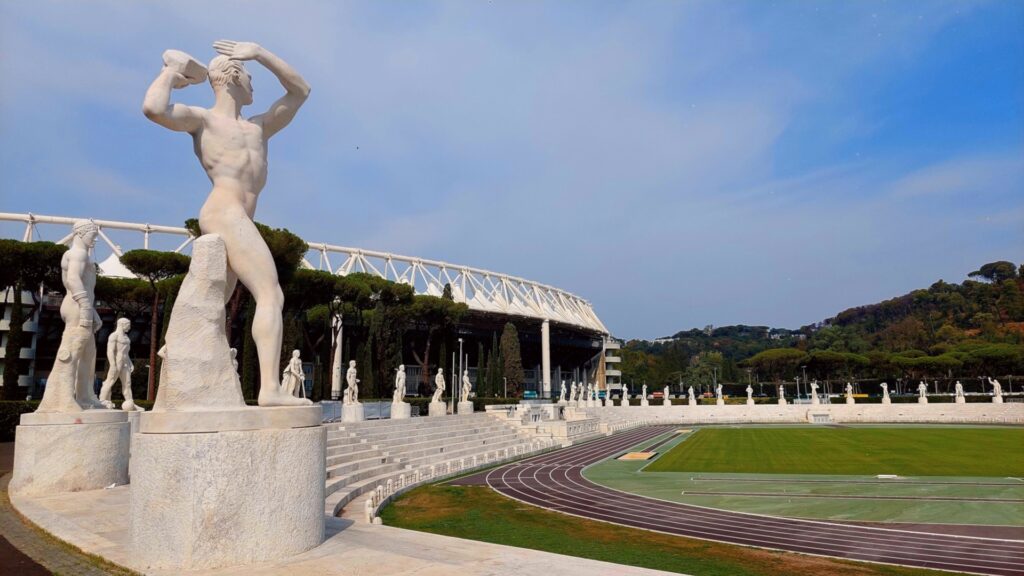
Promoting a restoration of the decision-making power and cultural influence of the Fine Arts (Classical Academic Arts) within scholastic and university institutions, could contribute to the healing of society?
Does Academic art have beneficial effects on Western civilization? Conversely, has Anti-academism, developed after the Dada revolution, caused a significant loss of traditional values and undermined the prosperity of the West?
I have decided to structure an artistic manifesto to spark renewed interest in art that promotes traditional and healthy values, extending a hand to the many young artists in the West who no longer have the opportunity to express themselves artistically because the classical style is labeled as anachronistic and boring. I propose today an art that openly opposes the anti-humanistic values driven by secular anti-academism, which I identify as a cancerous and dangerous element of Western society.
The intended goal is the establishment of a general cultural restoration movement that heals the anthropological, social, artistic and cultural traditional values of the Western heritage, ridiculing and stigmatizing the negative elements of the modern lifestyle.
THE HARMS OF ANTI-ACADEMISM
Replacing the late-modernist narrative is the primary aim, to contribute to the healing of Western civilization, which is currently in free fall due to many factors we will understand step by step; good art can bring great benefits to the health of society itself, but when boycotted, it has the capacity to deteriorate the psychological health of citizens, as is happening today, evidenced by the exponential increase in the West of divorces, prostitution, violence, crime, drug abuse, infertility, unemployment, suicides, declining intelligence quotients, diseases, mental delusions and so forth…
What does art have to do with all this? Well, consider the influential power of, for example, cinematography, music and social-media (literature no longer has this influence due to functional illiteracy): cinematography that promotes positive values will naturally inspire viewers positively, whereas music videos that glorify prostitution, drug dealing and violence will, consequently, have the opposite effect, won’t they?
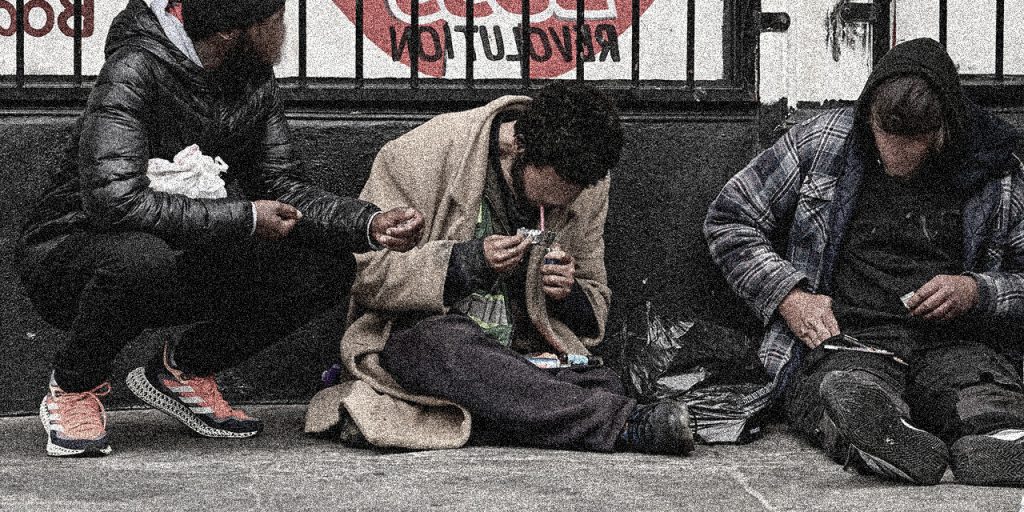
A keen eye will notice that contemporary music videos, as well as Hollywood-style cinematography, have succeeded in shaping the behavior of audiences in their own image and likeness; the fantasy world they have constructed frame by frame has inspired young people, who have emulated everything they could imitate.
Let’s take a look at the manipulation the latest generations have undergone regarding hip-hop culture, the glamorization of now-fashionable criminality and hedonistic promiscuity; if we reflect, we notice young people from small towns dressing and behaving as if they came from a Chicago ghetto (or at least the media-promoted image of it), severing the connection between the real world around them and the cinematic fantasy that has shaped their personalities.
What is encoded in observing these artistic works is usually not a positive message, but rather appears as a vehicle for promoting violence, love of money, irresponsible sexuality, selfishness and pure, extreme hedonism.
Even the wave of carnival-like behaviors became mainstream only after powerful normalization propaganda through social-media; in the 2000s, there were people who dressed in eccentric ways for Carnival and no one discriminated against them or took political interest in it. Yet, within a few years, certain theories spread through social media shaped an entire generation, leading many individuals to believe they were what they had dressed up as, resulting in a wave of people who sterilized themselves due to the removal of certain organs and the injection of artificial hormones; protests, chaos and massive conflicts erupted after careful digital promotion of these ideologies through social platforms. An artificially created problem that became concrete through digital arts.
A foreign state wishing to weaken an enemy could indeed do so today through social media, by disseminating corrosive and negative messages disguised with a veneer of realism and neutrality (something already happening with the media war that attacks citizens’ perceptions, their minds rather than their bodies).
THE BENEFITS OF ART THAT PROMOTES HEALTHY VALUES
Why could academic art be the cure capable of healing the manipulation caused by this cancerous narrative?
And why take such a stance in safeguarding traditional artistic heritage instead of walking the wide, gold-paved path of secular commercial art that favors international finance? Why not follow the trend of the moment and create art aligned with the dominant system, losing one’s dignity but filling one’s wallet?
The answer is that it is better to achieve a good deed and lose out than to do harm and gain financially, losing out in far greater terms; evil brings short-term profits and dire long-term consequences, while a good deed brings suffering that is somehow later rewarded… Many do not realize it, but the Universe is like an organism that balances everything, and every action is followed by a counterbalance, even if not immediate or easily understandable. But this is a topic we will explore further in another article and in the book “The Great Cultural Battle”. Let’s return to the world around us:
The modernist Western system is collapsing and the signs are clear; a narrative that aims at self-destruction and the annihilation of all that is healthy and constructive has a short lifespan and will naturally be replaced. There is an increasingly noticeable wave of return to traditional values and to avoid the rise of violent political extremism, it would be wise to correct the trajectory of the official narrative now, so it returns to the tracks of sanity and serves a social purpose, without leading to bloodshed caused by civil wars.
A political counterpart, hostile to degenerate modernity is advancing, while the defenders of the dominant narrative (the so-called gatekeepers) grow weaker day by day, mentally and physically, as they are servants of a power, which inherently makes them mentally weak and lacking the attributes needed to face major calamities.
Lack of discipline and hedonism are the primary causes of an empire’s collapse, while the traditional ideological opposition grows stronger and prepares the ground to take the reins of command.
How can you defeat people ready to sacrifice their life and completely discipline their mind and body with extreme willpower to achieve ultimate goals, without even seeking personal profit but only the will to accomplish a universal good? The victory is already written, and it is therefore wise to seek a political compromise from the outset that brings meritocratic benefits to avoid future upheavals that would be less amicable.
PERSONAL MOTIVATIONS
I would like to make it clearer why I believe it is necessary to structure an artistic manifesto in favor of restoring a more traditional society, providing a brief autobiographical motivation.
From childhood, I chose to pursue an artistic path; I immediately fell in love with the eternal beauty of classical times, the inspiration drawn from Greco-Roman culture, and the great works of art created by countless Masters who, through discipline and dedication, acquired extraordinary skills and produced works of infinite beauty, driven by a pure love for art and the enrichment of humanity’s intellectual heritage.
Through the Fine Arts, a strong sense of meritocratic justice matured in me, which is a great motivational reservoir for a healthy society; where meritocracy is lacking, so too are effort and discipline; consequently, the seed of nihilism sprouts followed by criminality, which sooner or later harms everyone. If the wells of water are poisoned, one day or another, everyone will drink a deadly sip.
I was aware that this would not be a profession chosen for profit, but I understood it would be more of a philosophical path that would justly reward me after the immense sacrifices required to mature artistically. After acquiring enough knowledge, I decided to share it by teaching art, passing down the methods I had learned to the new generation, which otherwise would have been a vain personal enrichment. In the process of learning academic techniques, I noticed significant personal benefits and the development of mental and sensory capacities, a common trait among those who study certain fields in depth; art is, in fact, a powerful tool for analyzing reality.
The first frustrations that led me to speak out arose when I noticed that the correct methods of drawing and painting were replaced in public schools with pseudo-amateurish techniques, poisoned by a modernist conception of art; teachers were imparting incorrect information and methods to unaware students, which shocked me… Beyond the distorted teaching of art theory, many instructors seemed incapable of demonstrating the practical aspects, namely showing figurative techniques. I observed that these pseudo-teachings could cause cognitive harm to students, who seemed almost detached from an objective perception of reality, like cattle submissive to the butcher’s orders.
Almost every art student who entered motivated to pursue their Fine Arts studies was left misguided or demoralized, all wasting their talent in favor of marketable but cancerous modern art, not to mention the personal repercussions for the students themselves, who ended up trapped in a vicious cycle of nihilistic hedonism.
Art reflects how we analyze reality, shaping us deeply. Those who splatter a canvas with random colors will tarnish themselves and lack the mental capacity of those who three-dimensionally reconstruct the universe from their imagination.
This led me to deepen my studies of art history to understand the discrepancy between academism and modern art; I wondered why there arose a need to sever ties with tradition through the establishment of the Dada avant-garde… I thus realized that it was one of the causes of the relativism, degeneration and pervasive nihilism in the West.

DEGENERATE ARTS
(The intention here is not to promote any political ideology, but only to understand historical characteristics by dissociating them from any narrative.)
As already explained in the book “The Great Cultural Battle” and in other articles on the website, the artistic production is closely interconnected with the quality of society and the collective vision, which shapes the perception of reality.
If art were to become degenerate and no longer academic or part of the “Fine Arts”, what would happen to our civilization? Well, this has already happened.
By degenerate art, it is meant an artistic movement, the sum of the modern art avant-gardes of the 1900s, including Cubism, Dadaism, Expressionism and Abstractism, which completely broke any connection with the traditions of the past.
In retrospect, we can observe that, perhaps unintentionally, it began with the Impressionist movement, which, with their revolutionary artistic production rich in excellent educational insights, unfortunately ignored the basic rules of drawing and color in favor of greater visual and chromatic expressiveness to more effectively evoke the experience of reality.
If the color studies conducted by the Impressionists had been integrated into a classical and traditional framework, they could have been an interesting contribution, but unfortunately, this was not the case. The subsequent generation, instead of integrating Impressionist discoveries with academic study, went further, retaining only the negative aspects of Impressionism, such as the lack of figurative skill, leading to a slow and gradual erosion of painting methods.
Certain merchants and private collectors, perhaps in favor of a power shift from which they could benefit, heavily funded these modern avant-gardes, consequently sabotaging the official Fine Arts Academies.
Through massive promotion of this “new art”, the academies were labeled as relics of the past, to be replaced with the new. As is well known, human beings are easily influenced, especially when large sums of money are funneled in a particular direction, shifting cultural interest toward this new form of “Modern progress art.”
This massive funding of non-positive but absolutely harmful arts for society was seen by many as an attempt to disintegrate Western identity and an experiment in social engineering, giving rise to the term “degenerate art”, sparking waves of resistance in Europe to safeguard society.
An example of a counter-narrative to degeneration was organized with the “Entartete Kunst” exhibition in Munich in 1937; it was a highly successful attempt to stigmatize modern arts that sought to destroy the artistic heritage of Western society.
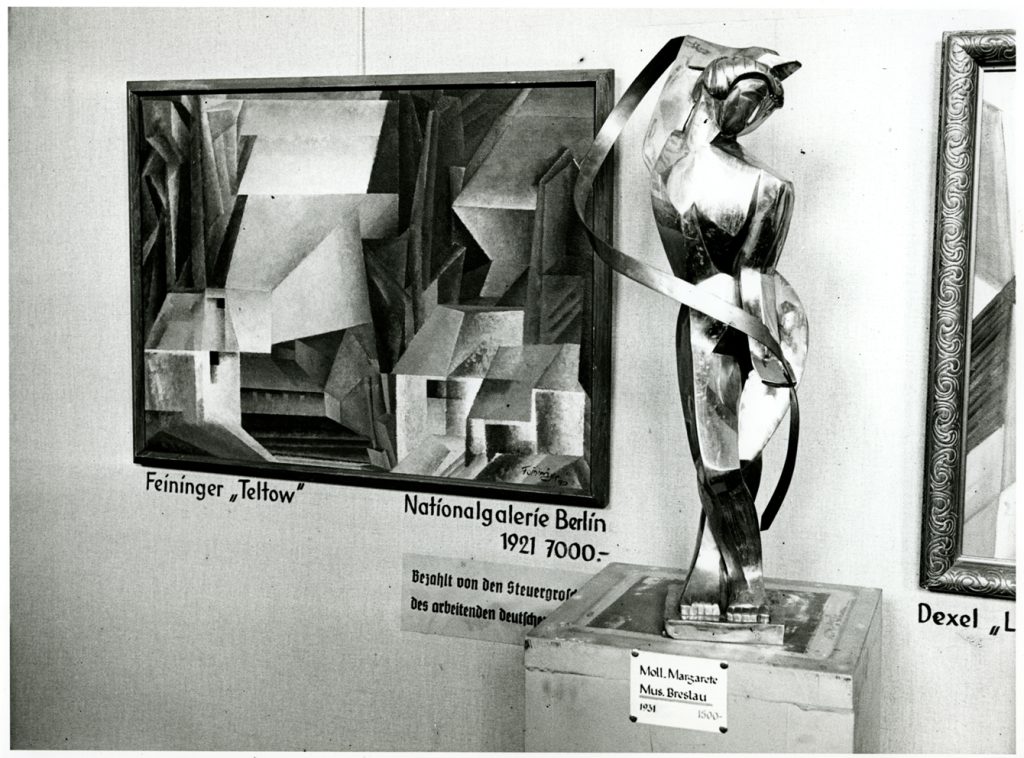
Modern artworks, ridiculous and amateurish when compared to the masterpieces of the great Masters of the past, today appear to our eyes as aesthetically interesting (sometimes), but only because for years we have been subjected to a campaign of normalization and acceptance of such affronts to academic art, both in educational and cultural/media environments.
Modern art was promoted as a liberation from the mental shackles of the past through independent art magazines and countercultural exhibitions, labeling the Fine Arts as old and inauthentic, while increasingly emphasizing the artist as an “ununderstood genius” or “dandy”, rather than their art. This revolution was brought to completion by Marcel Duchamp, who declared that it was the artist who made any object a “work of art”, a concept bordering on the delirium of human omnipotence.
The artist, not their art, became the focal point, devaluing the work itself; a reversal of logic!
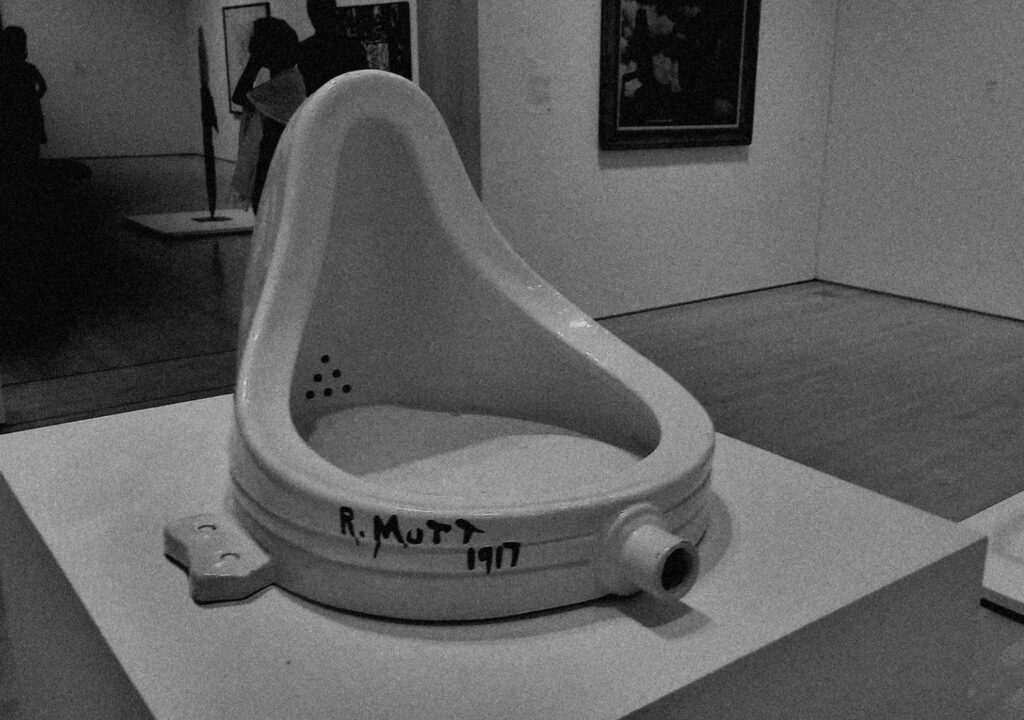
This cultural revolution succeeded in stripping significant power from academic Institutions, which at the time were responsible for conveying constructive messages, effectively educating students and creating artistic works of various kinds that contributed to the general well-being of society. We can immediately see evidence of this by visiting an art exhibition containing both classical and modern works; the stark contrast will appear alarming, making us understand which artworks are objectively uplifting or not.
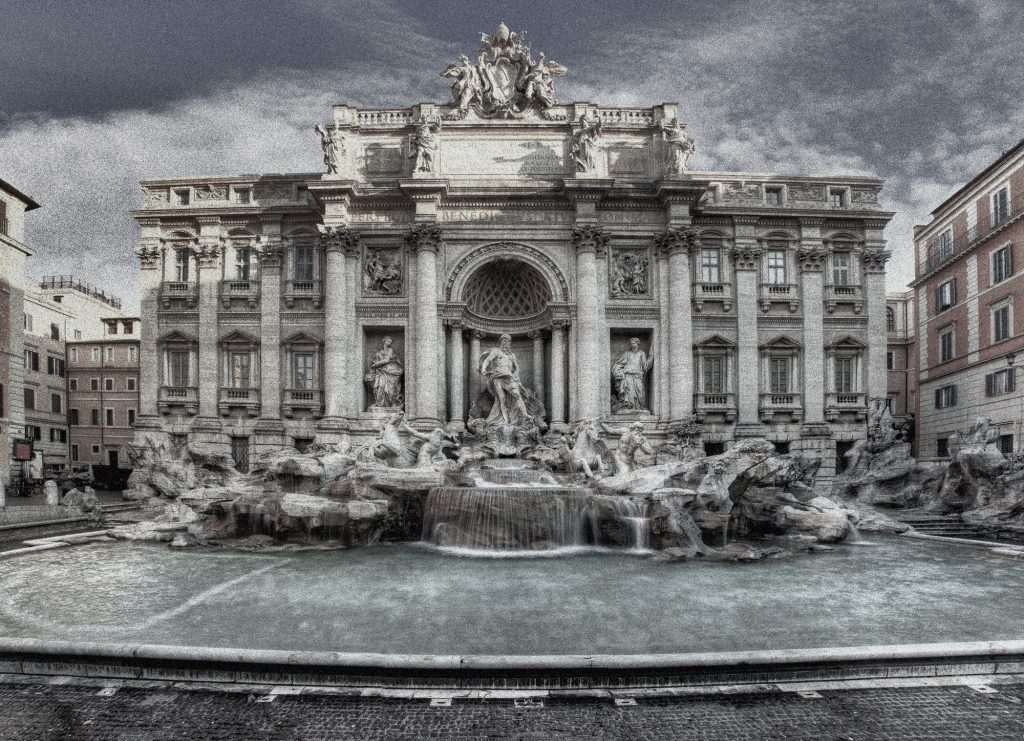
We can observe the immense benefits of Academism, especially in Italy, a nation that has produced an enormous number of highly talented artists. Walking through a city like Rome, considering the magnificence of its past urban architecture, the presence of countless public monuments of extraordinary value, the rich museums and art galleries of the past and the vast libraries filled with literary masterpieces, is an experience that could be described as spiritual, as what we encounter there, has the capacity to transform us spiritually and consciously.
Absorbing so much beauty and being surrounded by it alters our self-awareness and reminds us of how capable humanity is of achieving monumental results that can echo through eternity. Much of Europe is endowed with this cultural heritage.
It must be emphasized that everything Europe still symbolizes today and the mass tourism that follows, was certainly not built after the artistic uprising of Dada, which also led, from an urban planning perspective, to the disintegration and uglification of the urban fabric, with hideous postmodern architecture that has the unfortunate consequence of depersonalizing the individual, alienating them and detaching them from the collective memory of their cultural heritage.
Cities, once centers of encounter and inspiration (like the famous “Grand Tour”), today became places without national or ethnic identity, like redundant open-air shopping malls, with no purpose or reason for existence beyond short-term commercial ends. The ugliness of cities and the arts within them thus destroys the very social fabric.
The rate of depression in the population is intimately connected to the aesthetics of the urban fabric, to the point that we now wonder whether hostile architecture is a deliberate act of societal destruction, even though it is justified with excuses like construction costs, excuses that can be easily debunked.
Let us also consider music, which, though not visual, creates a palpable ambiance of sonic “frequencies” and can have the same benefits or consequences as visual arts, depending on its proper or improper use.
Contemporary music concerts (if they can be called music, or rather noise) have become vehicles for depression, Satanism and self-harm, the opposite effect of what classical music, with its proven beneficial sensations (Johann Sebastian Bach, for example), bestowed upon souls.

Let us remember that what we see shapes us; the eyes devour reality, which is visual nourishment and molds the minds of individuals. Let us even take a look at the churches built in Europe in recent centuries; they seem like architecture deliberately designed to ruin the atmosphere for their faithful. There is no area left untouched; its ramifications are found everywhere.
Attacking the Academies with the Dada “revolution” triggered a chain reaction far worse than what might have been expected; destroying the canons of beauty and morality led to the complete dismantling of the barriers of common sense, granting freedom to express everything that should be avoided and instead stigmatizing what should be proclaimed.
We find ourselves today in a completely out-of-control society that calls Good evil and evil Good.
My “countercultural” opinion is greatly appreciated by art students who have chosen the path of this profession not to ride the wave of speculation but for the love of art itself; they reap significant mental benefits after overcoming the challenging exercises that the path demands.
The traditional method requires extreme discipline, continuous dedication, mental strength and respect for the arts and hierarchy; the exercises to achieve good technique are extremely difficult and require an expansion of mental capacities used thus far. Academic training brings numerous benefits, even beyond the realm of the arts, as the mind evolves and strengthens massively, creating a positive ripple effect even in personal life, granting those who derive aesthetic enjoyment from it similar effects.
The protection of traditional drawing and painting methods, as well as the safeguarding of any healthy and useful human activity for society, in opposition to the modernist and nihilistic mindset that promotes superficiality, banality, stupidity and the destruction of traditions, is today a necessary act for both practitioners and those who passively benefit from it.
THE RESTORATION OF THE WEST
Nowadays, culture in the West is reaching its historical lows in terms of decency and dignity, to the point that even the most primitive tribes would not be able to create artistic works of such low level, with the progressive lowering of the general intelligence quotient (IQ) and the worrying dormancy of the masses who respond only to calls made during a dance on TikTok.
The maniacal use of technologies that substitute for individual neuronal activity is today showing its poisonous fruits, as they delegate brain efforts to electronic computers, leading the individual to a temporary atrophy of the brain.
And after the Dada Revolution, what do we see in today’s cultural world? Splashes on canvas, ridiculous artistic performances, group dances from psychiatry, pathetic music festivals where singers without any minimal talent follow one another, supported by sonic technological tools like “Autotune” which ensure that their “creations” are not completely cancerous to others’ hearing.
“Artists” so evidently devoid of any minimal artistic capacity or predisposition, who are continually under media spotlights, as if someone from above preferred to propagate ugliness rather than beauty; actors disguised as artists who tarnish the reputation of professions that once held extremely high social importance, professions today ridiculed thanks to a political structure that funds them, in order to support the nihilistic and relativistic mindset, lulling the population for better social control; stupidity spreads.
We live in the era of paradox, of cultural degeneration; today’s “singers” are incapable of singing, “painters” incapable of painting; international politics has become a TV series with plot twists that seem written by a screenwriter; it increasingly feels like being inside a caricatural and paradoxical film, much more interesting than Hollywood cinematography which seems to produce one woke disaster after another.
It all seems like a joke, the theater of the absurd, but it’s the real world, because when the jester rules instead of the King, everything becomes ridiculous and harmful.
Do you remember the fairy tale “The Emperor’s New Clothes” in which a pair of swindlers managed to fool everyone, convincing them they were weaving invisible clothes, and everyone, for fear of being judged, preferred to play along and follow the swindlers’ dictates? We find ourselves in a similar situation where we prefer to support the dominant narrative rather than oppose it for fear of being criticized and socially demonized, even though deep down we know we are right. Read my re-writing of the fairy tale HERE, it will show you an interesting point of view.
How did we come to believe in the Dada movement, in conceptual art experiments? Why didn’t we shout like the child in the fairy tale would have done, saying “It’s not art!”, but instead, for fear of being labeled ignorant and uncultured, we preferred to pretend those were complex and extremely high-class artworks?
How can we now shake up society and ensure meritocracy returns and art degeneration is no longer promoted, now that it seems even rooted in official Academies, inserted into art history books as if it were a legitimate continuum and has even gained extremely high monetary value, entering important Galleries, major Museums and billionaire collections? We must today derail these financial investments toward much more deserving artistic forms.
We must take back the reins of command, stop funding those who destroy art, wake up those who are dormant and heal culture by convincing funders and collectors to slightly deviate their investment paths, stigmatizing those who still try to promote degenerate art. Read the article about it HERE.
Scan the QR code to donate:


For donations, contributions, collaborations, purchases, and events, use the form below.